When you are granted three wishes, after world peace and the end to all disease, the third wish is of course for a Normandy château.
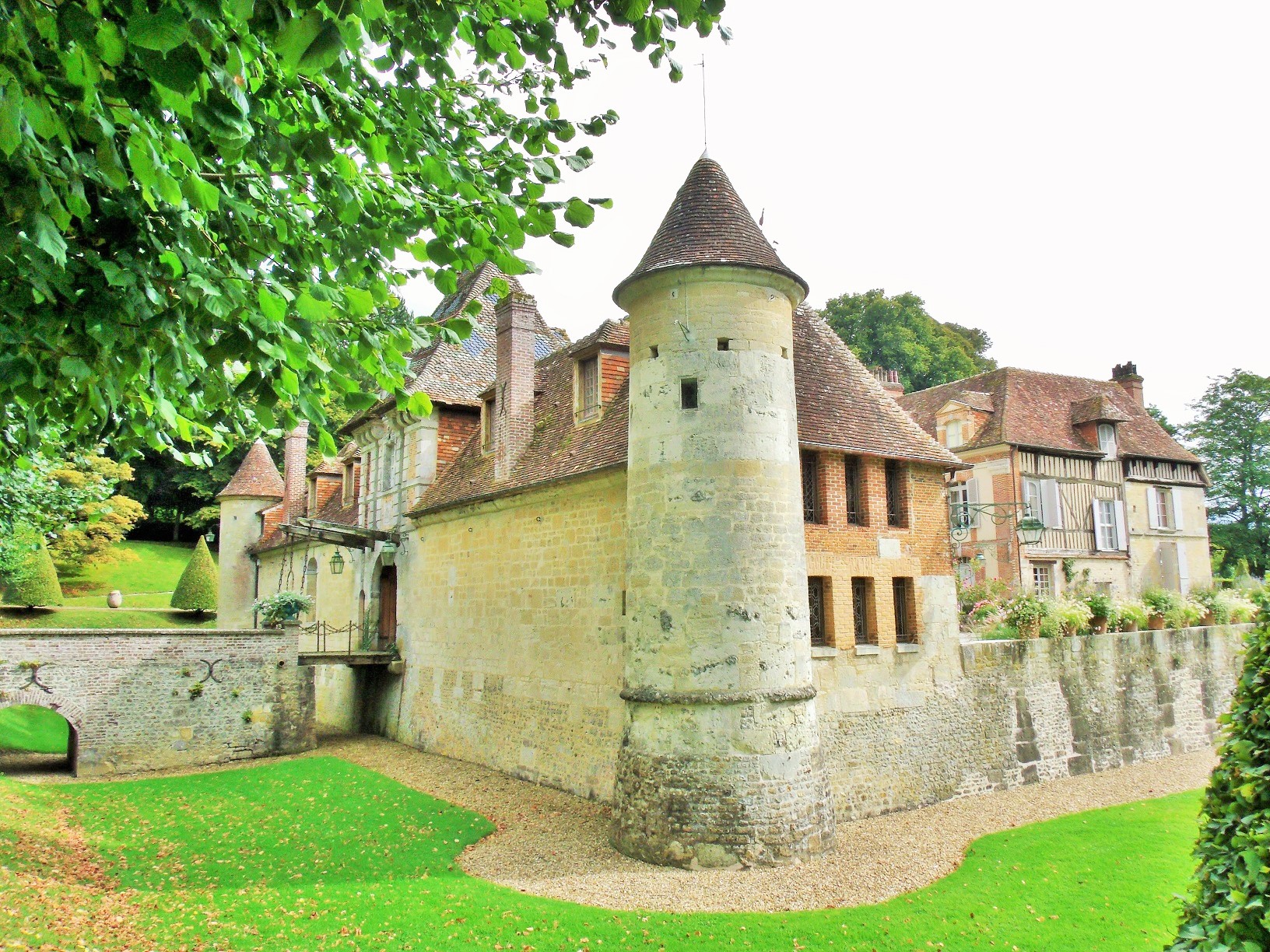
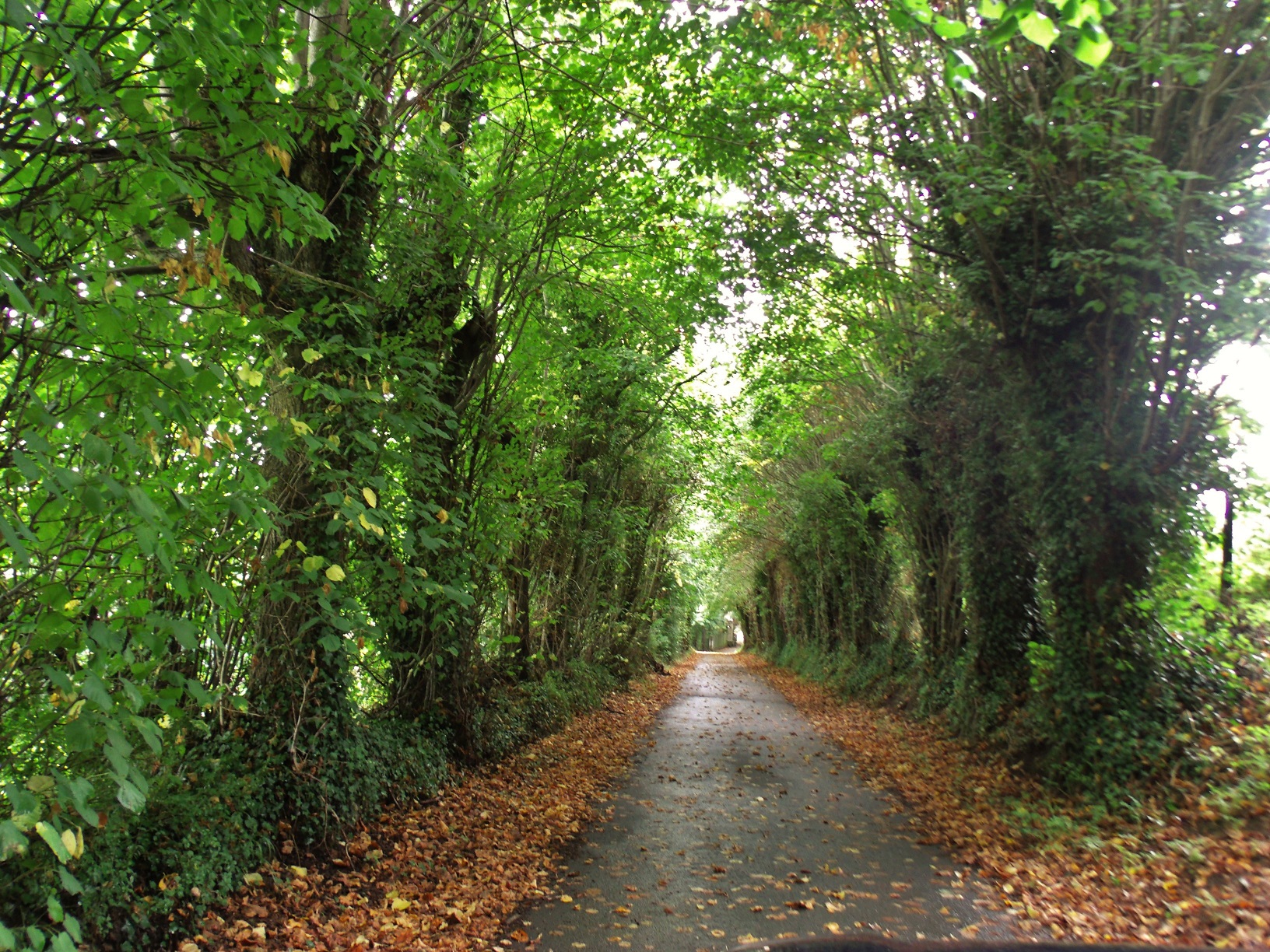
We think we may have found exactly the one to wish for, hidden at the end of an ancient lane edged with trees that form a green tunnel.
At the end of the lane there are no signs telling you where to park. A wooden sign ‘accueil’ (reception) points to a locked wooden door.
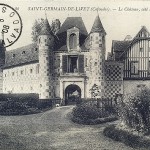
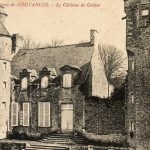
Uncertain, we were checking the opening times as a charming lady unlocked the door and welcomed us in. We showed her our vintage postcards of the château and admired the postcard collection framed on the wall. We discovered they didn’t have one of our cards so we gave it to Madam as a small gift, before walking into an elegant fairytale.
A thousand years
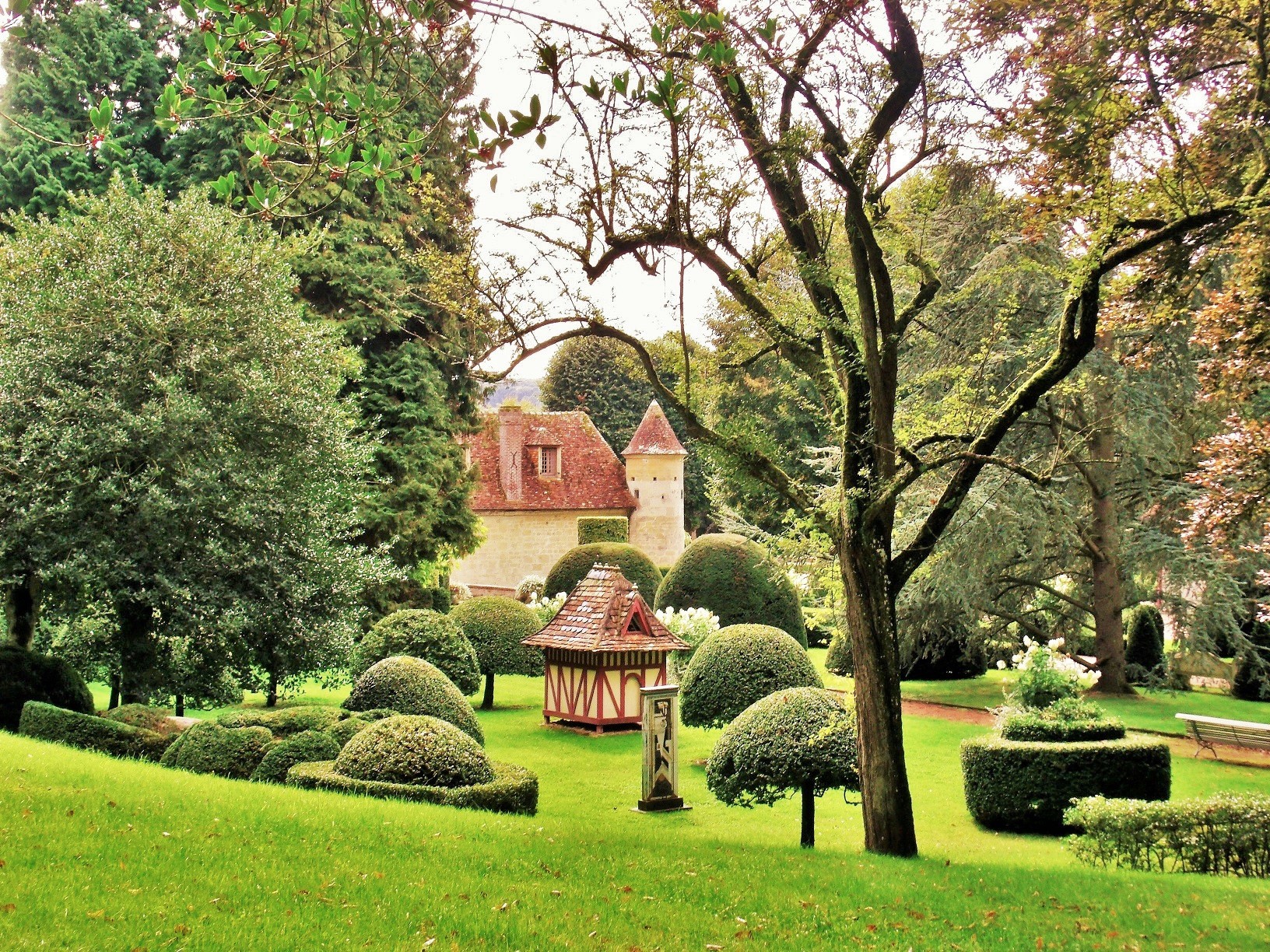
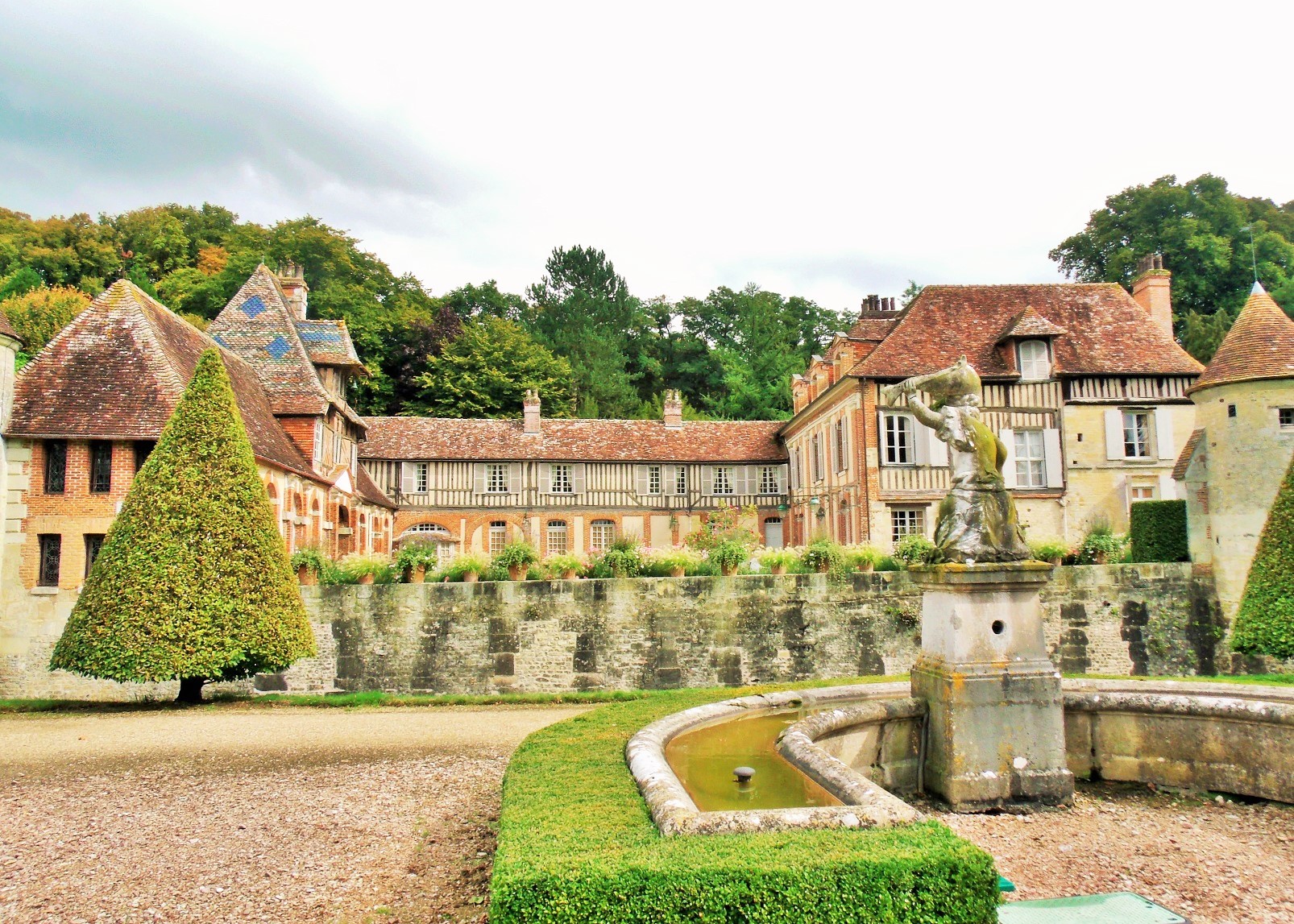
The first Château de Boutemont is now just a few hillocks in the field next door. It was built as a military fortress in 11th century for baron Fauguernon, one of William the Conqueror’s knights. This motte and baily castle had controlling views across the Touques Valley and was strategically placed between Lisieux and Pont l’Eveque.
We know the Boutemont family owned the castle by 1180 as Hugues de Normandie Boutemont is recorded paying his taxes. A later lord and lady de Boutemont decided the old fort was too damp and cramped for their liking so in the early 14th century built a more comfortable home next door and some of this building is still part of the château today.
We don’t know if it was bad luck in battling, ill health or overspending but sometime early in the 14th century, during the 100 years war, the Boutemonts were booted and the Servain family moved in.
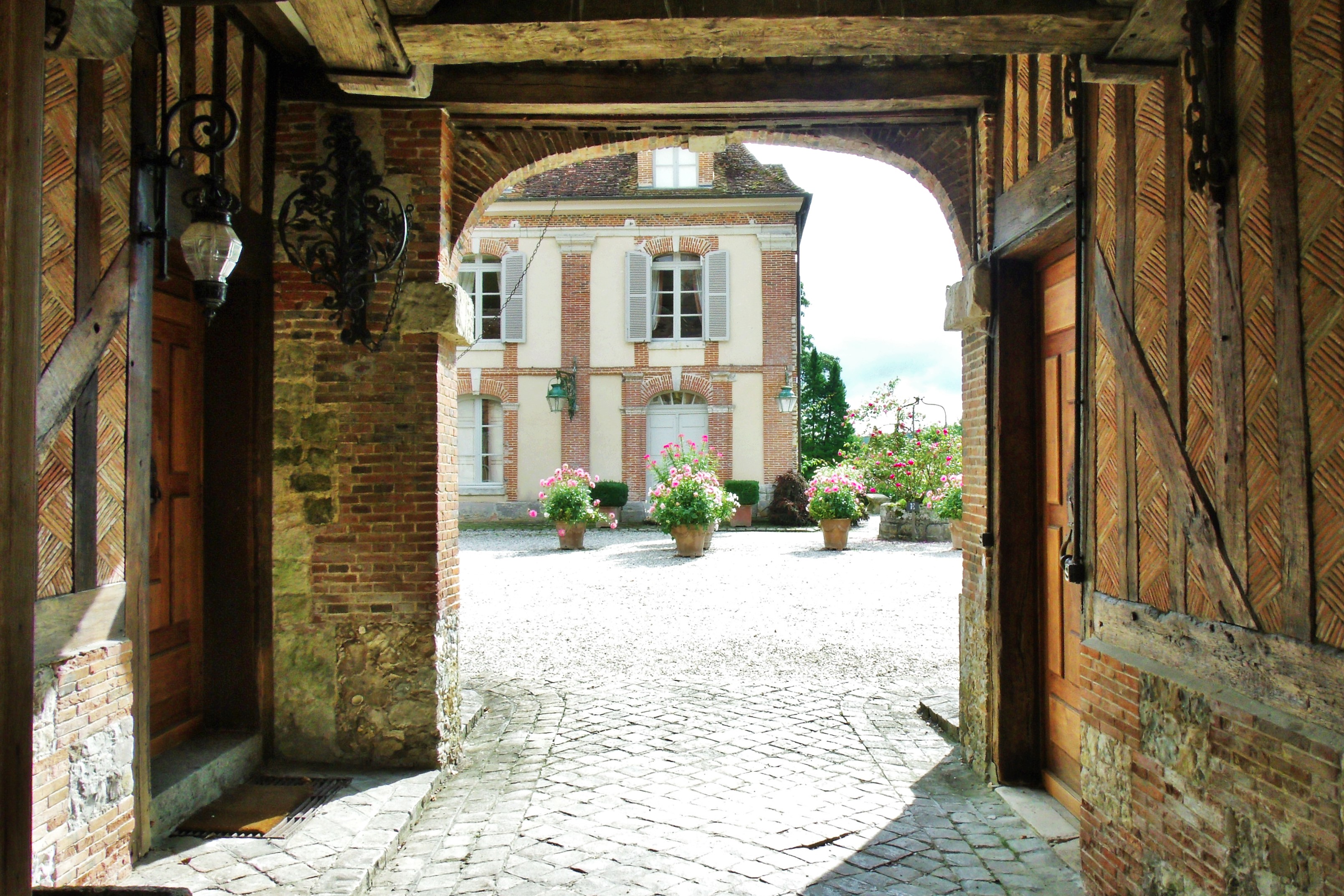
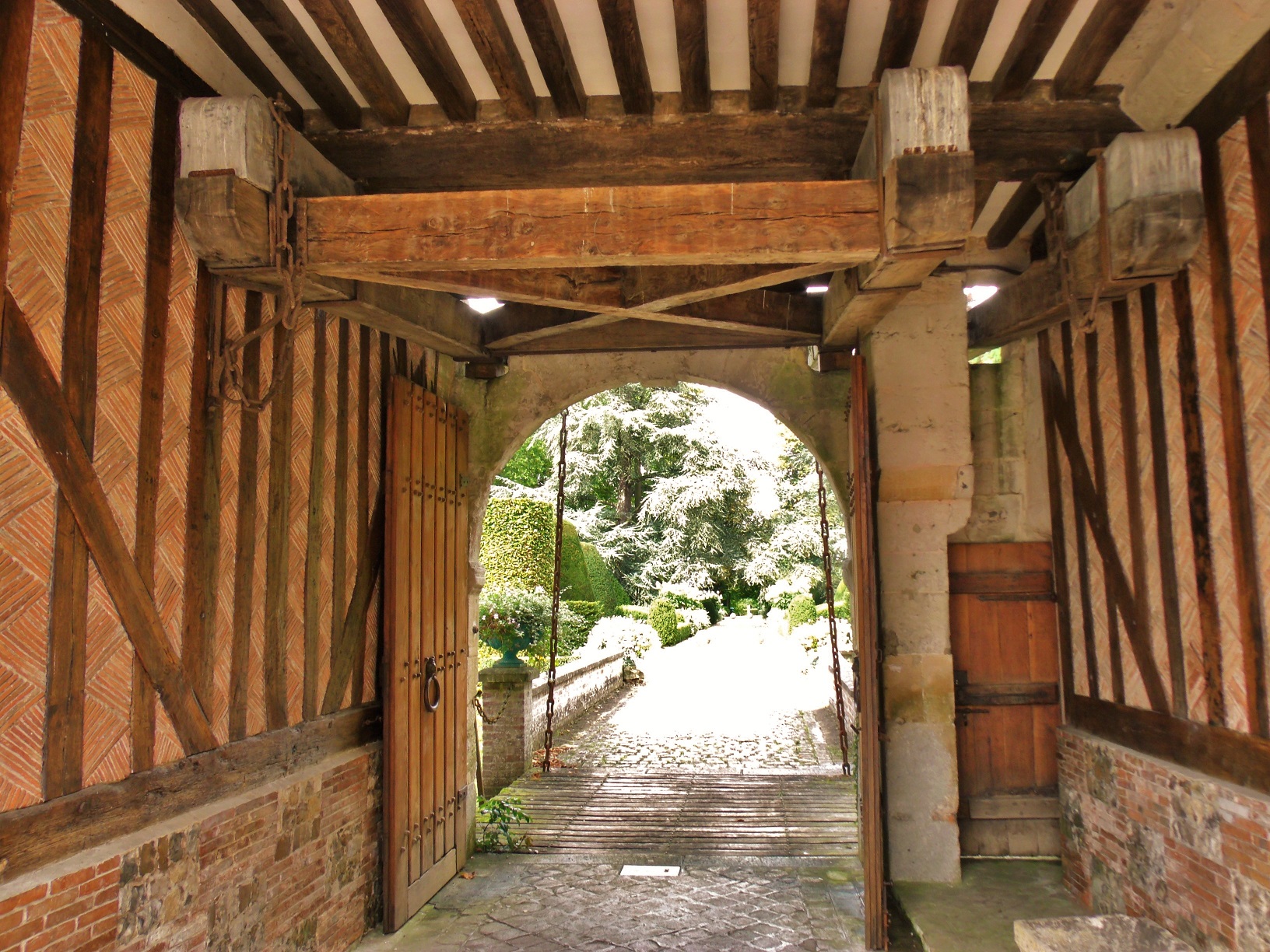
After a couple of hundred years in 1524 the lordship of Boutemont passed to the ambitious and recently knighted Philippe Paisant, who set about rebuilding in a style informally known as ‘stately medieval’. His hard earned cash paid for a château of warm hand cut stone with turrets, a drawbridge and a moat – all the latest in sixteenth century Normandy design.
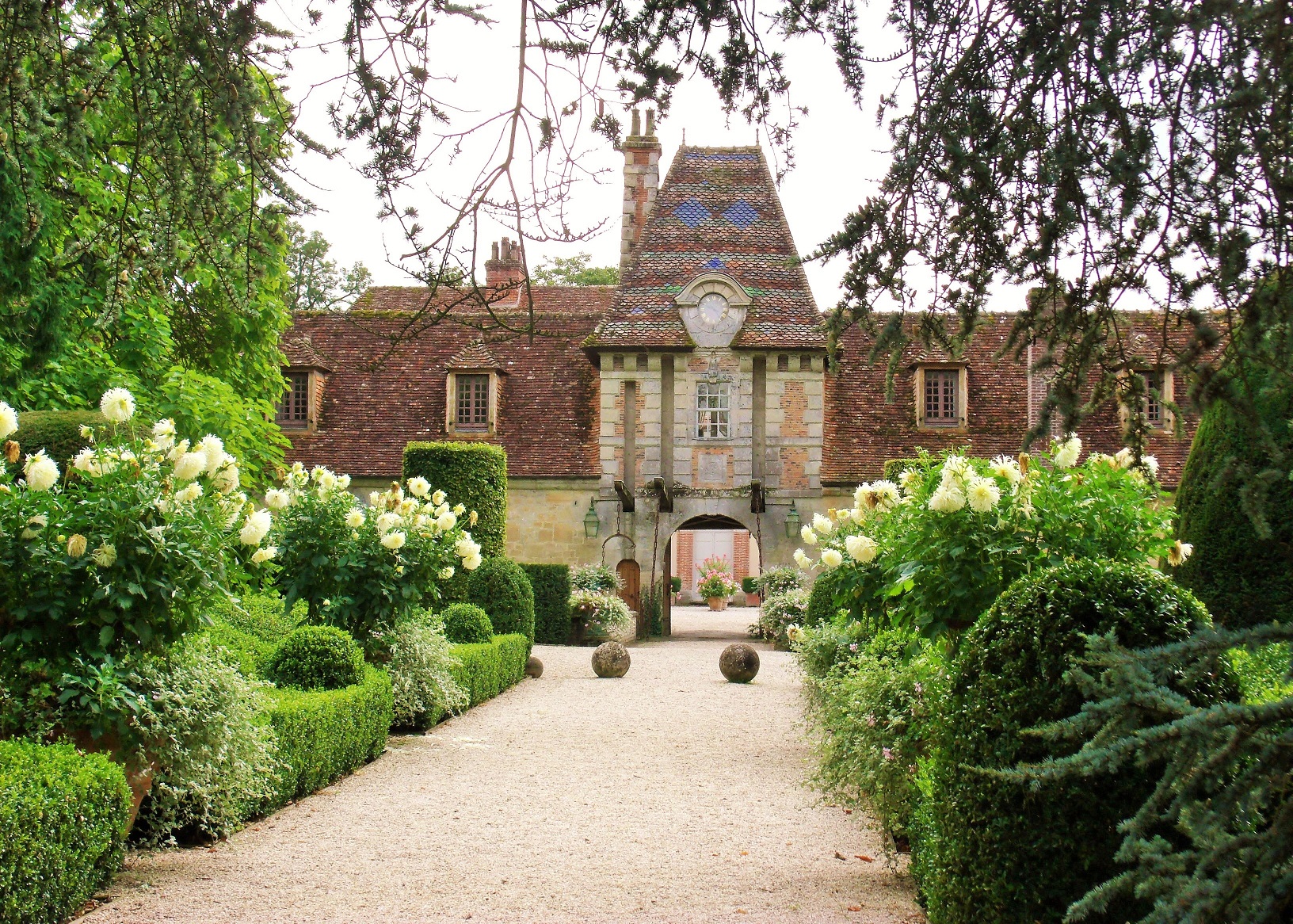
As far as we know the Paisant family kept the château until the 17th century when it was sold to Jean-Baptiste Le Bas. It was Jean-Baptiste who, in a moment of genius, took down one of the four walls that surrounded the central courtyard, letting in sunlight and views across the valley.
The last lord of Boutemont
Jean-Baptiste’s grandson is the owner we envy the least. David Gabriel Antoine Gueroult de Boutemont would be the last lord of Boutemont.
As the chilly tentacles of French revolution spread out from Paris, owning a château was a dangerous pastime. In 1791 David was forced to flee, apparently to drizzly England, as Château de Boutemont was taken from him.
Notes from archives suggest the de Boutemonts were at that time a family of 6. They state: ‘six passports issued to David Gabrielle Antoine Gueroult of Boutemont, including four for Holland or Switzerland and two emanating from members of the National Assembly 1789, no specific destination.’ The new government wanted David and his family gone but at least they kept their heads.
We couldn’t find records to suggest David, once lord of Boutemont ever came back to France but if he did his old country had changed beyond recognition and Château de Boutemont was lost to him forever.

Bourgeois Bouteiller
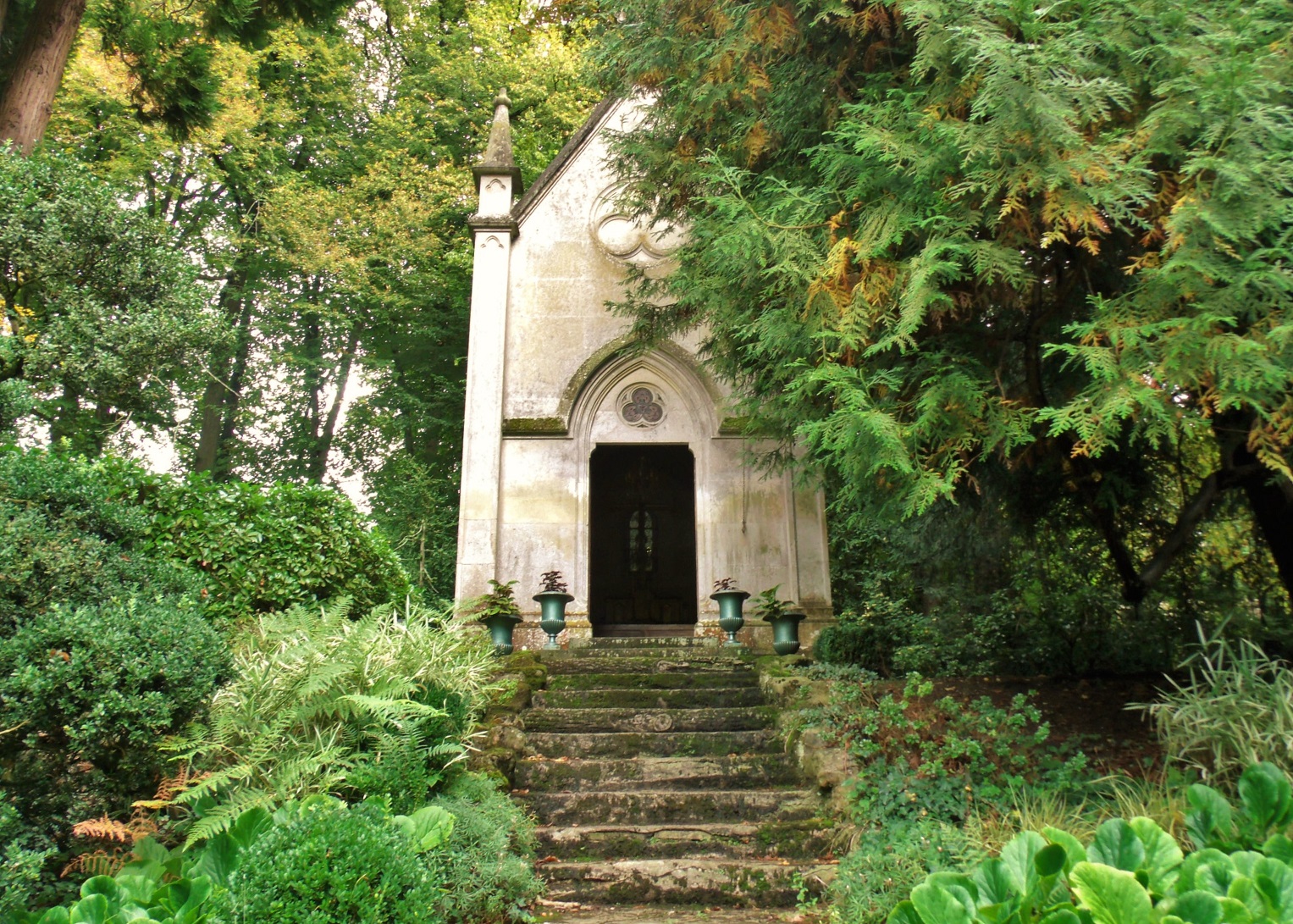
The château was not property of the state for long. It was sold it the Bouteiller family, a wealthy bourgouis family from Lisieux. One of the family, Pauline, left money in her will for the chapel to built on the site of the old 1652 parish church of Saint Lubin Boutemont.
Something to save
Somehow by 1920 the château had fallen into dangerous disrepair with a probable future as a source of building materials for local farms.
A terrible war had not long been won, with appalling losses felt keenly by every family in Europe, when M. and Mme. Drouilly saw the old château. Sick of loss, of destruction, they saw something they could save.
We don’t know the personal losses of Madame Drouilly but we do know she threw herself into the renovation of Château de Boutemont. As the old château began to glow she looked to the garden. An orangerie and a house for staff were practical. What she did next was pure romance.
She invited Achille Duchêne to create a garden.
The prince of gardens
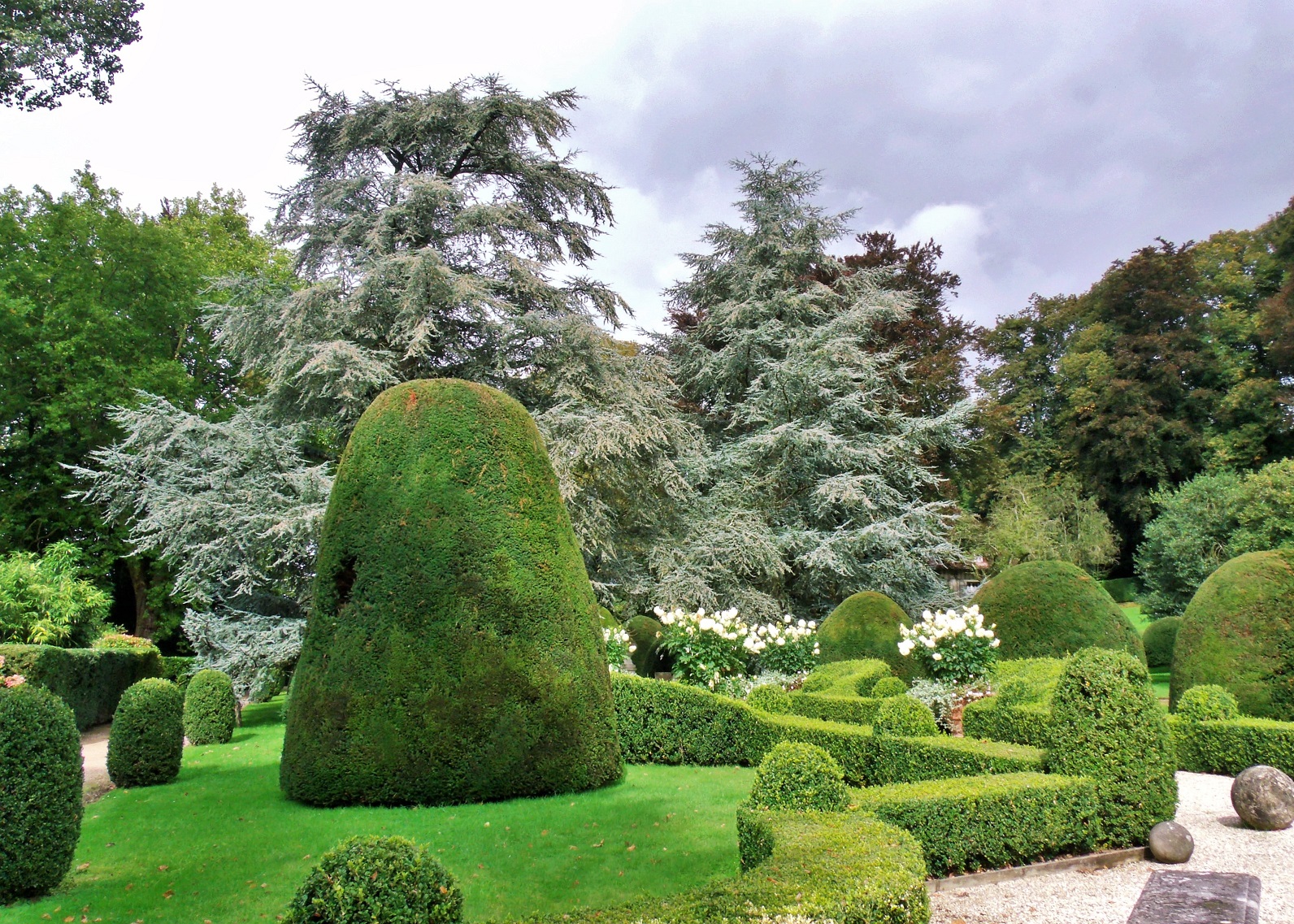
At the beginning of the 20th century Achille was a garden celebrity. Horticultural historian Ernest de Ganay called him ‘the prince of gardens’. Achille appraised the old trees, the views from the château and the way the sun fell across it all. Then he created a very French garden.
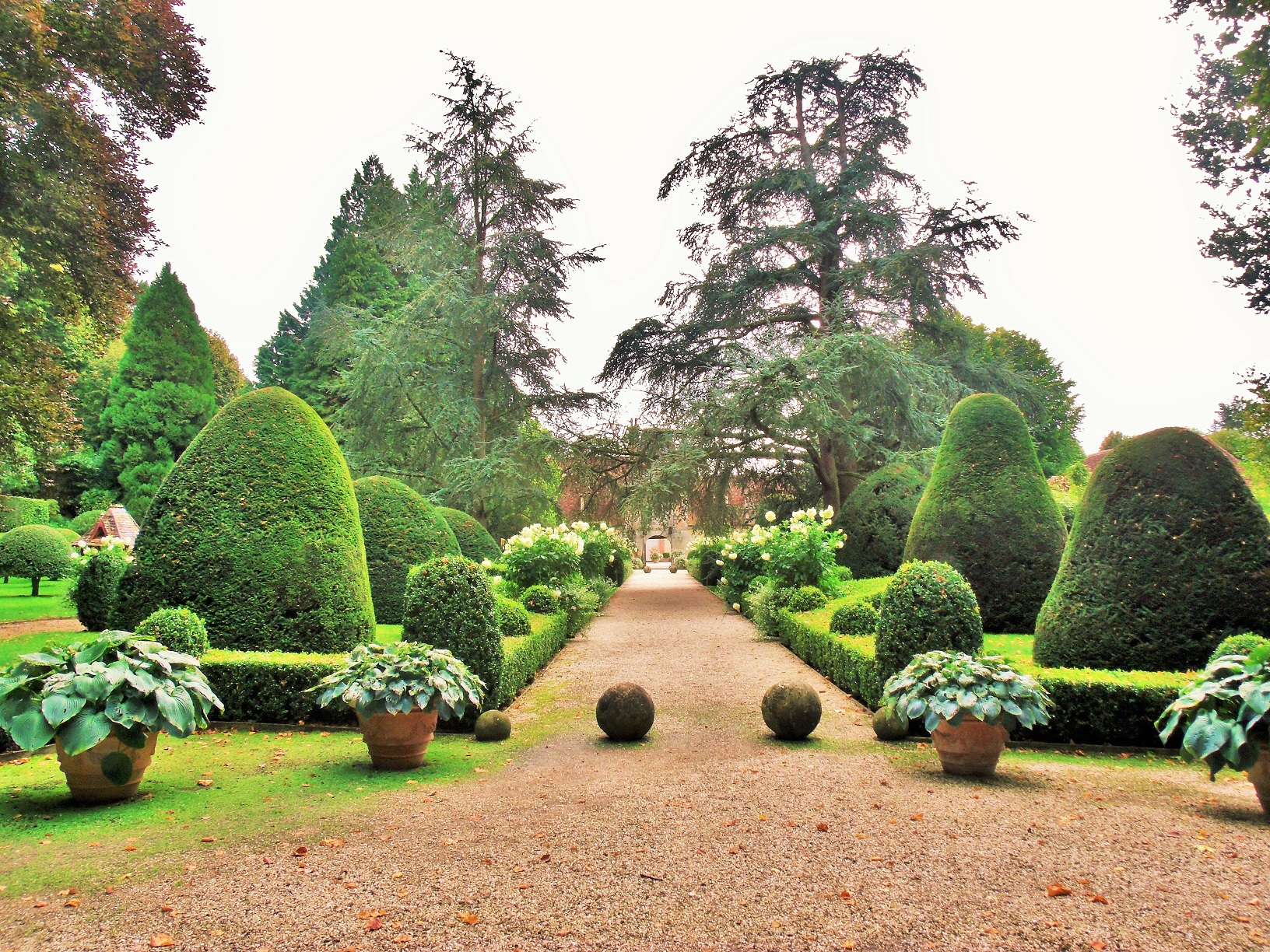
Achillie was not a fan of the English ‘landscape’ style. He was influenced by graceful 17th century French designs. At Boutemont he created a series of outdoor ‘rooms’ some open and linked with elegant vistas others hidden, gorgeous green surprises, all different, all beautiful.

Dark years for Boutemont
Into this beauty came something evil during WW2. The château was commandeered by the gestapo. Apparently captured Resistance were ‘questioned’ here, notably the very brave Dr Hautechaud who led the Fervaques group. He would later die in Buchenwald. Neither the château or us want to dwell on these terrible years for Boutemont. During 1944 the château was used as a hospital by the Germans and then by the Allies.
Tired and abandoned
A war and changing ownership did little for the château or the garden. Old photos reveal much of the early design simplified as less green fingered owners saved their time and money.
New owners bring new life to Boutemont
This all changed in 1976 when M. and Mme Sarfati bought Château de Boutemont. Art lovers and restauranteurs they appreciated the unique beauty of the château and were fascinated by the garden’s history. They set about, with the help of gardener Alain Liabeuf and landscape architect Georges Hayat, resurrecting Achille’s vision.
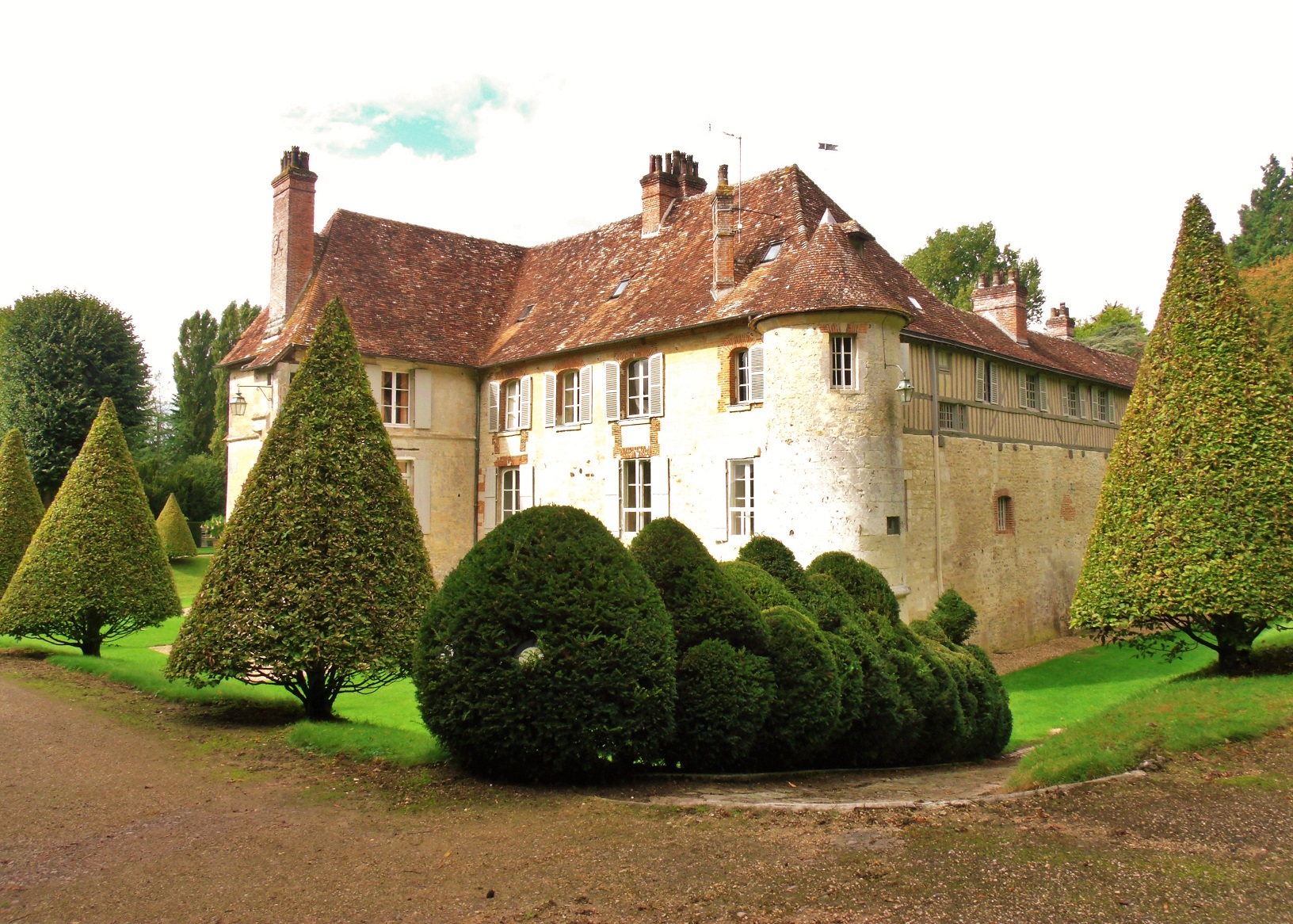
Now the determined visitor will wait while the gate is unlocked, to walk into a garden paradise.
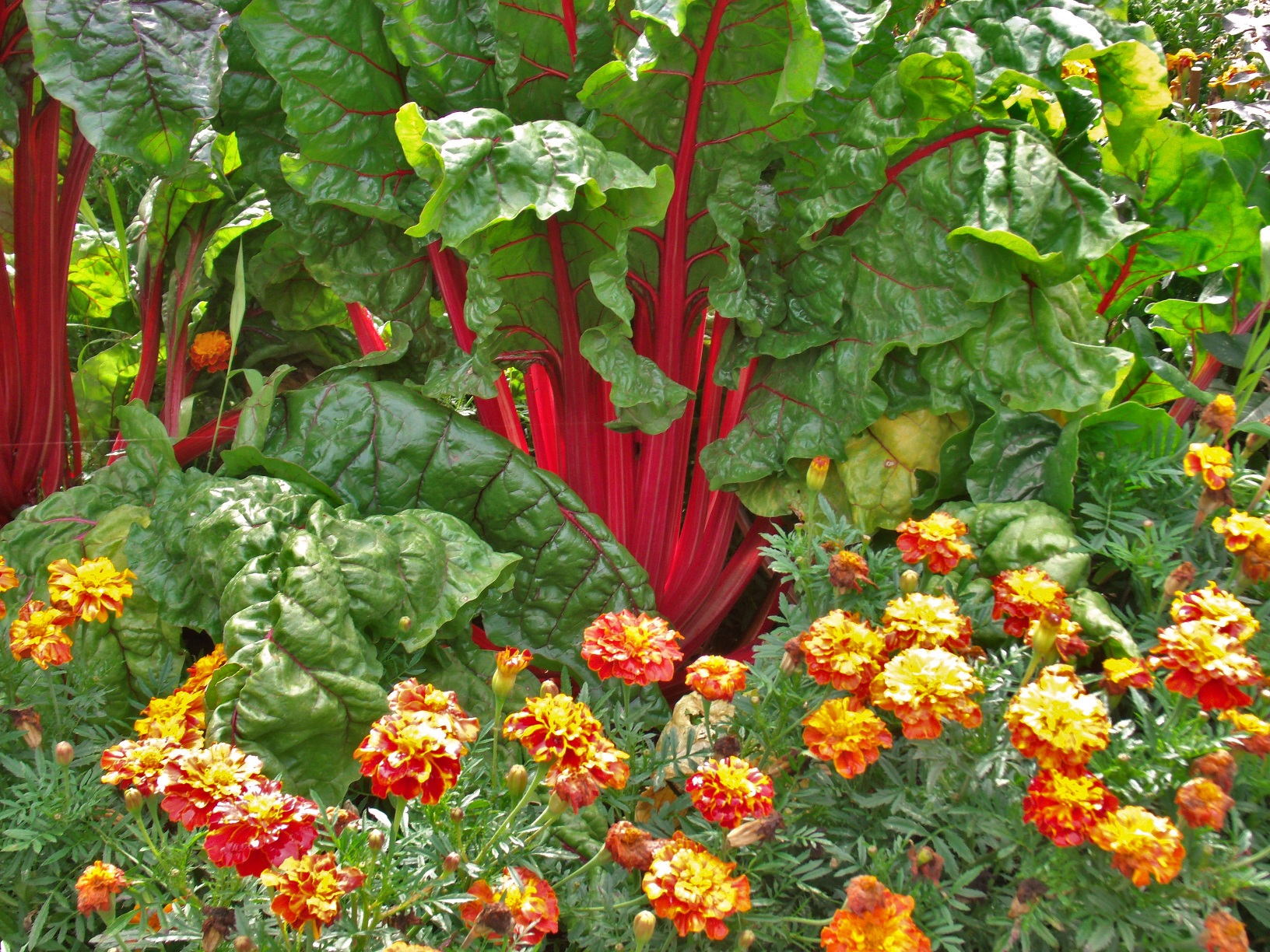
A route has been planned through these 11 hectares that takes about 2 hours and will guide you to every part; under ancient beech trees, red cedar, past tidy topiary and fruit trees, evergreens in every shade.
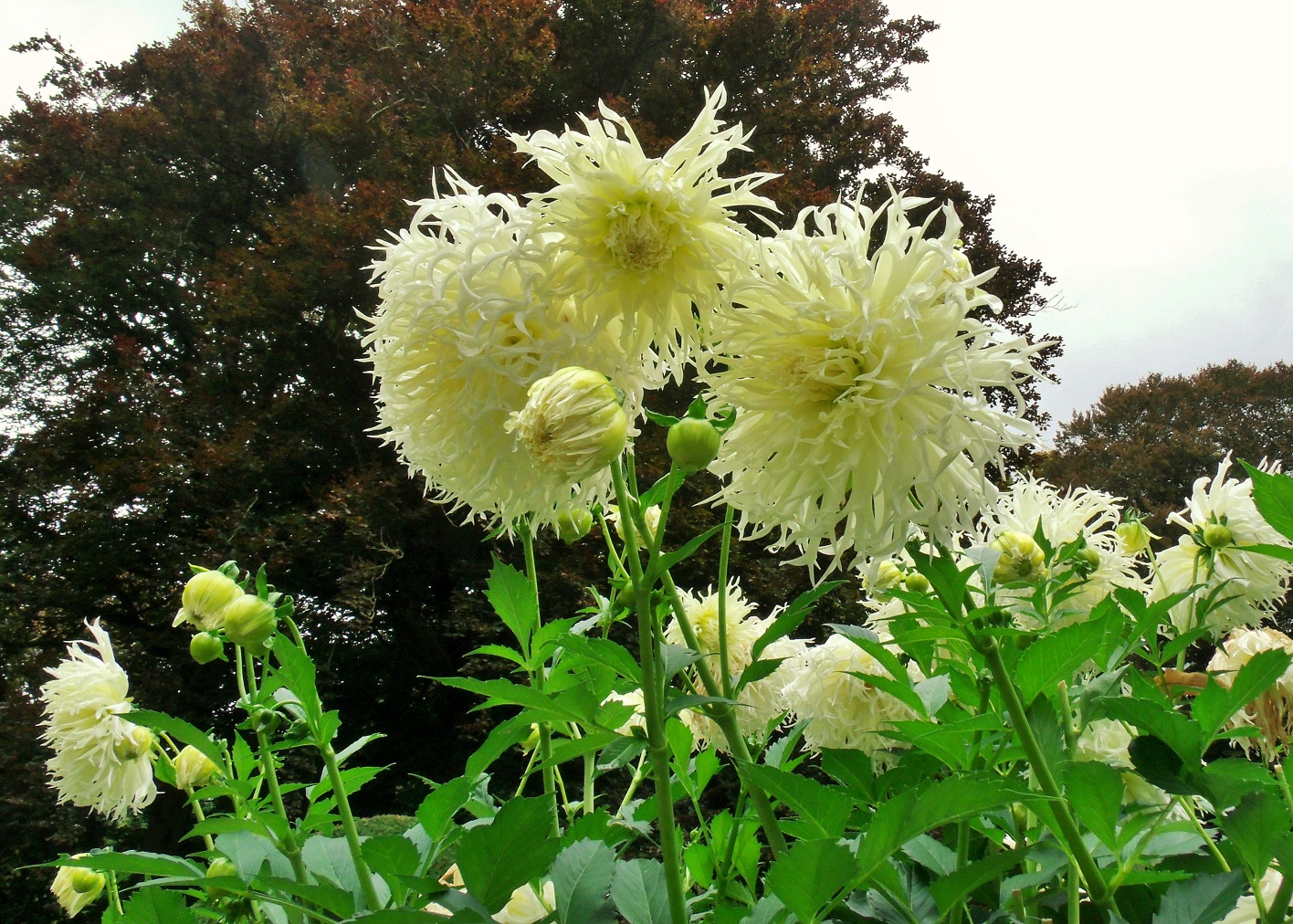
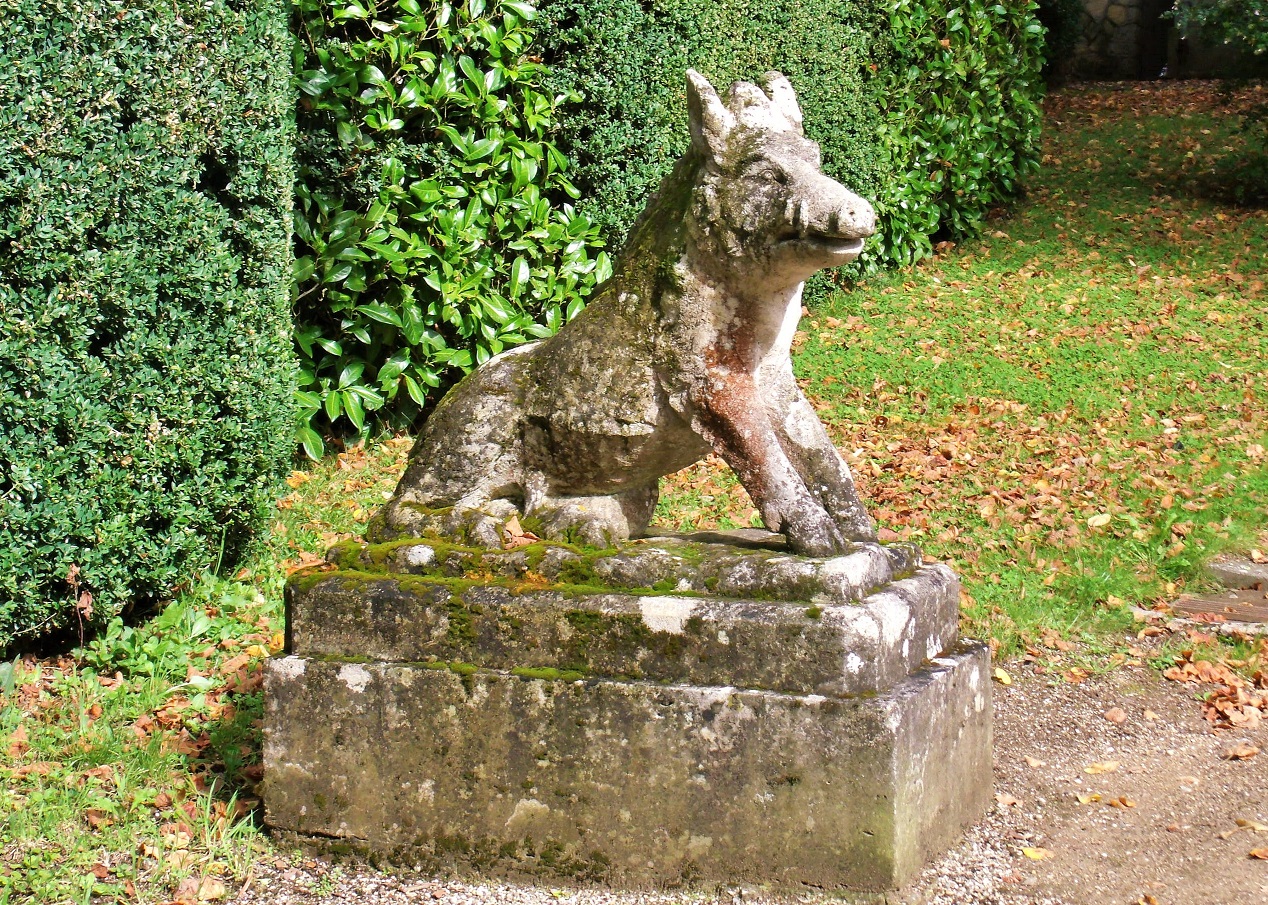
Cleverly arranged flowers are mixed with vegetables and herbs, or stand grandly in noble stone urns from Tuscany. Sculptures are carefully placed. The garden is ever changing as the Sarfati’s develop new spaces to complement the old.
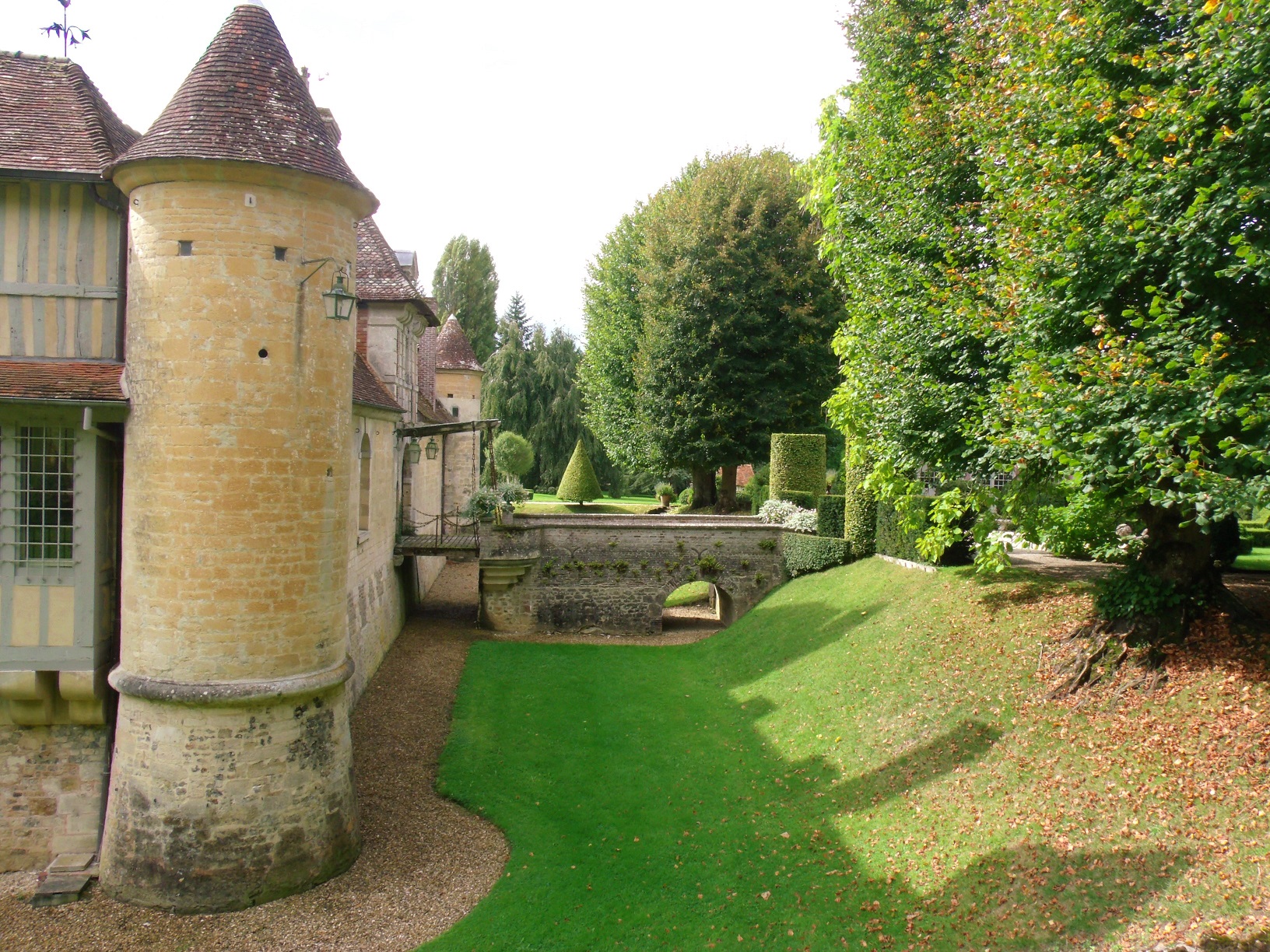
Our photos barely do Château de Boutemont justice and we have missed out lots of hidden views and corners so you can discover them for yourself.
If you can’t get to Calvados anytime soon enjoy a tour of the garden with M. Armand S. and his head gardener Alain Liabeuf:
Visiting times here*
*2016 the Château is for sale – double check if visits are still possible before you travel.
** feel free to buy it for us!
Another update… Sold we think, a sale of the chateau contents in December 2020!