Paul stands proudly in his scout uniform
Our postcard match at the WW2 V-1 flying bomb launch site at Val Ygot in Normandy only tells half of the story. Over in England V-1 flying bombs, or Doodlebugs as the Brits called them, were wreaking appalling havoc.
Today we hear from Paul who was 8 years old when war was declared in 1939 and 12 when V-1s started falling on England. His father’s job had moved out of London for the ‘safety’ of Kent and they settled just outside Maidstone at Barming. Maidstone is in the south East corner of England, between London and the coast. Their home backed onto fields that rolled down a valley to the river Medway.
Doodlebug defence
In 1944 when V-1 flying bomb attacks started, a small camp of Royal Engineers was set up about one kilometre away from Paul’s home towards the river, to watch for V-1’s, heading for London. One of their tasks, when the RAF were chasing V-1s from the coast inland, was to send up small flares attached to white parachutes. These alerts let the RAF know they were nearing habitation and should not shoot down the V-1s or ‘tip’ them off course.
‘I’m done for’
But their alerts were not always heeded. One evening Paul recalls he was in his bedroom looking out towards the Royal Engineers, watching as they sent up an alert flare. High above them a Spitfire carried on the chase, unable to resist a few last shots at the V-1. It was successful, knocking the doodlebug off course.
Now falling, the V-1 was heading down directly towards him. Even damaged, the speed of the flying bomb was frightening. He kept watching knowing matter of factly ‘oh well, that’s it then, I’m done for’.
Then, just seconds from his window the doodlebug exploded ‘like a huge, bright chrysanthemum’. Asked if he was in shock, Paul said no, they were so used to V-1s in Kent by then ‘you just got on with it’.
Paul shares more memories of that time in his article, Secret Weapons:

Secret Weapons
by Paul, a young lad in WW2 Kent
During the later stages of World War II the Germans developed two secret weapons intended to terrorise and destroy as much of London as possible, and end the war without further loss of life to the Luftwaffe.
The first of these was the V-1 bomb or Doodlebug, which was a very simple unmanned aircraft. In essence the V-1 was an impact bomb at the front with a very simple jet engine at the back and a gyrocompass system to keep it on track to its target (London).
The weapon was launched from ramps like huge wedges such as you described and carried just enough fuel to carry it over to its target. When the fuel ran out the engine stopped and the V-1 dropped on its victims.

Once launched the V-1 flew in a gyrocompass controlled straight line the engine made a noise like a very loud old motorbike with no silencer.
As you can imagine the sound of an approaching V-1 was frightening enough but when it suddenly stopped and one knew it was dropping and about to hit something near, that was really the anxious moment!
Scouts under attack
I remember one night at a Boy Scout meeting in a wooden scout hut in North Pole woods we heard the normal sound of an approaching V-1 and the engine stopped! Quick as a flash ‘Skipper Henry’ our Leader had us all under a large table (the only available shelter) heads to the middle bums facing out waiting for the bang.
When it happened everything shook like an earthquake, things fell off all the shelves and walls, but no great harm was done as the bomb had fallen in the nearby wood and exploded with minimal harm. We got out from under the table and got on with the meeting.
Bringing down the Doodlebugs
At first a lot of the V-1 reached London but quite soon defences were improved and many were intercepted over the sea or brought down by our fighter aircraft over rural Kent.
Early in the campaign the fighters tried to shoot the V-1s down but as they were only just faster than the V-1 and recoil from the fighters guns slowed them down a lot, they took to tipping them down by getting their wing tip under the V-1 wing top and turning it over whereupon it crashed.

The Kent Messenger published a map showing where vast numbers of V-1s had been intercepted over the sea and Kent, and I have already told you how one was shot down and nearly got me but exploded in the air without killing anyone.
These were rather scary times but caused very little disruption to daily life in our part of Kent.

No defence: the V-2
The V-2 was quite a different weapon, being a rocket launched from an underground silo which shot up into the stratosphere before falling back to earth in the target area.
There was no defence against these things. The launch silo was difficult to locate and attack, and it fell so fast that at the time there was no way to intercept it.
I found these a lot less scary than the V-1. It fell on its target at more than the speed of sound so there was no warning, you heard the bang (and knew it had missed you) and then you heard it coming.
Fortunately this was a last ditch attack and soon the D-Day Landings stopped them being launched.
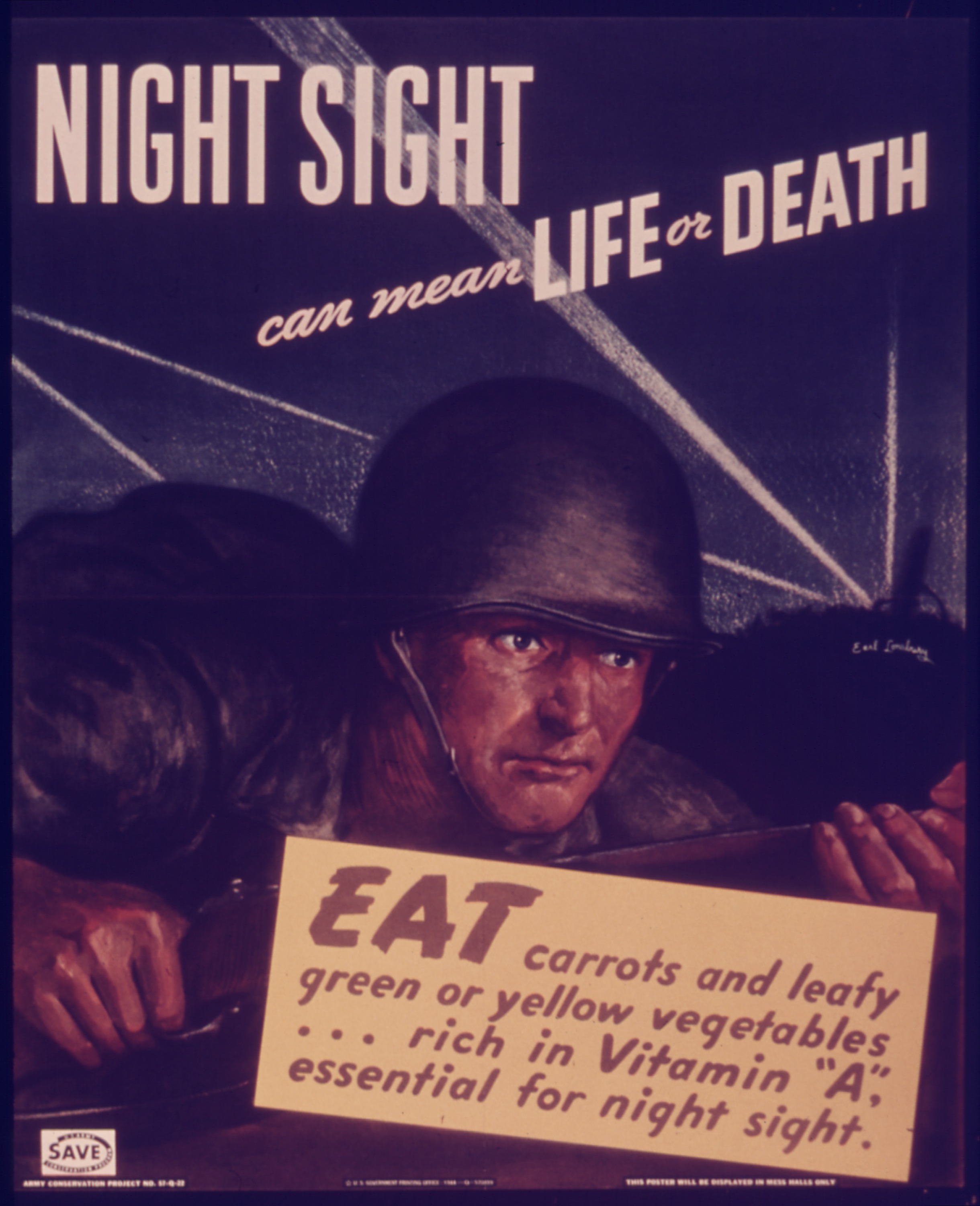
Our secret weapon – carrots?!
Of course we also had our secret weapons, a very notable one of which was radar which helped our night fighters to be so effective that it just about stopped air raids on Britain.
This was a great secret and the story was put about that our pilots were fed huge amounts of carrots to improve their night sight!
So what happened to these ideas? The V-1 morphed into today’s attack and survey drones that can be controlled from thousands of miles away.
The V2 was the prototype for the space rockets and ballistic missiles and radar led to many applications from safe air and sea navigation to weather forecasting and ultrasonic scans.
Paul
Postscript
Paul grew up to marry Valerie and he enjoyed a very successful career as a Chemist and Bacteriologist. This story always moves us; partly to think of a young lad exposed so much danger, but also because Paul and Valerie went on to adopt Pip. If that bomb had exploded just a little further ahead, Pip’s life and many others would have been very different.